Plan your trip
Bhutan Travel Information
Planning a journey to Bhutan is unlike planning a trip to any other destination. Known as the Land of the Thunder Dragon, Bhutan offers breathtaking mountain landscapes, ancient monasteries, vibrant festivals, and a unique philosophy that prioritizes Gross National Happiness over economic growth.
Whether you are visiting for cultural exploration, trekking adventures, photography, wildlife, or spiritual discovery, understanding the essentials before you travel will help ensure a smooth and enjoyable experience. This travel information guide provides everything you need to know before visiting Bhutan, from visa requirements and entry procedures to weather, currency, health, and cultural etiquette.
At Experience to Bhutan Tours and Trek, we are committed to making your Bhutan experience seamless from the moment you begin planning until the day you return home with unforgettable memories.
Visa & Entry Requirements
All international visitors to Bhutan, except citizens of India, Bangladesh, and the Maldives, require a visa before entering the country. Your visa is processed through a licensed Bhutanese tour operator such as Experience to Bhutan Tours and Trek.
To apply for a visa, travelers must provide a passport copy with at least six months of validity from the date of arrival. Once approved, an electronic visa clearance letter will be issued before departure.
Visitors can enter Bhutan through Paro International Airport or designated land border points.
Sustainable Development Fee (SDF)
Bhutan follows a high-value, low-volume tourism policy aimed at preserving its environment, culture, and traditions. International visitors are required to pay a Sustainable Development Fee (SDF), which contributes to free healthcare, education, environmental conservation, infrastructure, and cultural preservation projects throughout the kingdom.
The current SDF and tourism regulations may change from time to time, so travelers are advised to consult with our team for the latest information.
Best Time to Visit Bhutan
Bhutan is a year-round destination, with each season offering unique experiences.
Spring (March to May)
Spring is one of the most popular times to visit. Rhododendrons bloom across the mountains, temperatures are pleasant, and trekking conditions are excellent.
Summer (June to August)
Summer brings lush green valleys and occasional monsoon showers. This season is ideal for photographers seeking dramatic landscapes and vibrant scenery.
Autumn (September to November)
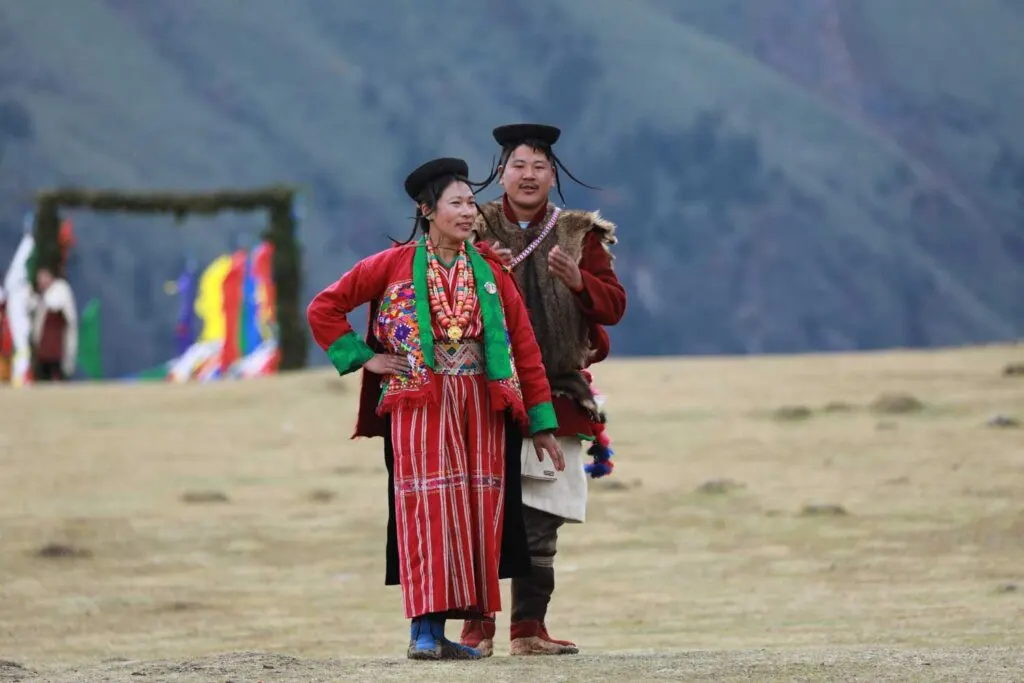
Autumn offers clear mountain views, comfortable temperatures, and some of Bhutan’s most famous festivals. It is considered one of the best seasons for both cultural tours and trekking.
Winter (December to February)
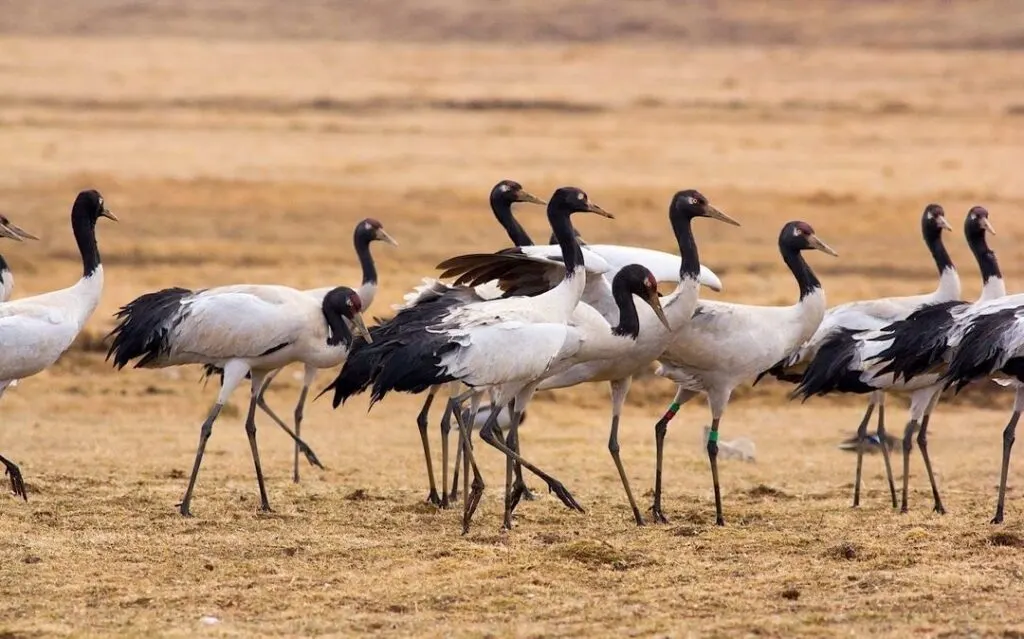
Winter features crisp weather, fewer tourists, and excellent opportunities for birdwatching. Lower valleys remain comfortable while higher regions experience snowfall.
Currency & Payments
The official currency of Bhutan is the Ngultrum (BTN), which is pegged to the Indian Rupee (INR). Major hotels, shops, and businesses in urban areas often accept international credit cards, although cash remains useful when traveling to rural regions.
ATMs are available in major towns such as Paro, Thimphu, Punakha, and Phuentsholing. Travelers are encouraged to carry some cash for personal expenses and small purchases.
Health & Safety
Bhutan is one of the safest travel destinations in Asia. Violent crime is extremely rare, and visitors generally enjoy a secure and welcoming environment.
No mandatory vaccinations are required for most travelers, although routine immunizations should be up to date. If trekking at higher elevations, it is important to allow time for proper acclimatization and stay hydrated.
Comprehensive travel insurance covering medical emergencies, trip interruptions, and evacuation is strongly recommended.
What to Pack
Packing requirements depend on the season and activities planned.
For cultural tours:
- Comfortable walking shoes
- Light layers for changing temperatures
- Rain jacket or umbrella
- Sunscreen and sunglasses
- Personal medications
For trekking:
- Proper hiking boots
- Warm clothing and thermal layers
- Waterproof jacket and trousers
- Trekking poles
- Daypack and reusable water bottle
Weather conditions can vary significantly between valleys and mountain regions, so layered clothing is always recommended.
Questions before you travel?
Tell us what you are planning and our team will help with visas, the Sustainable Development Fee, seasons and packing for your journey.